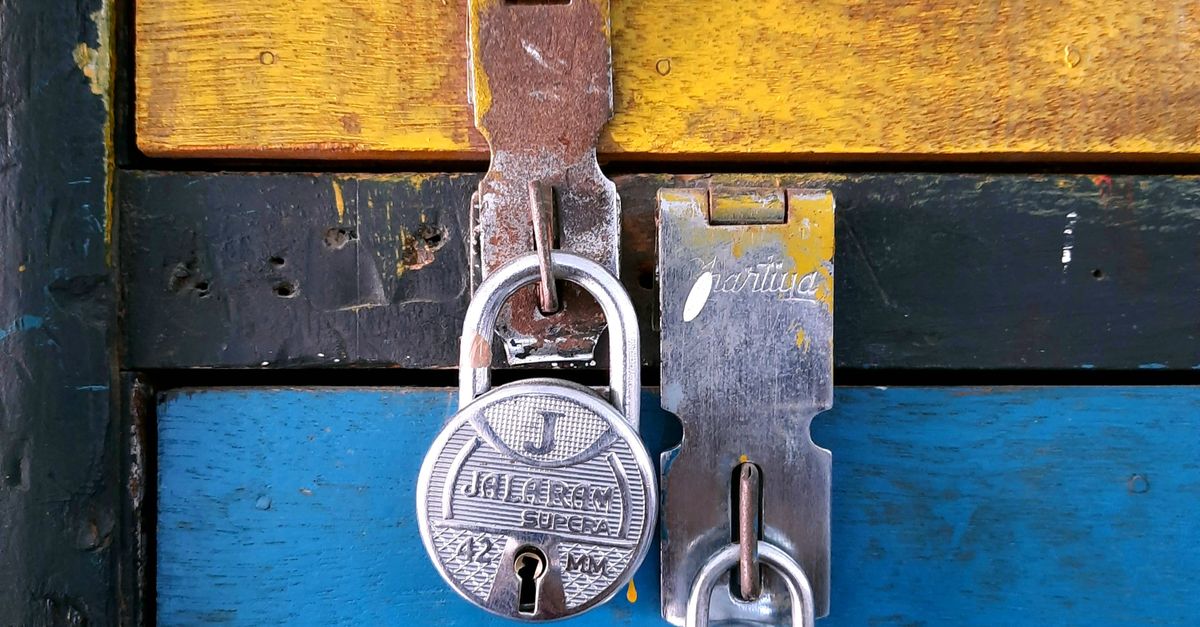
Why Door Knob Lock Replacement Beats a Temporary Fix
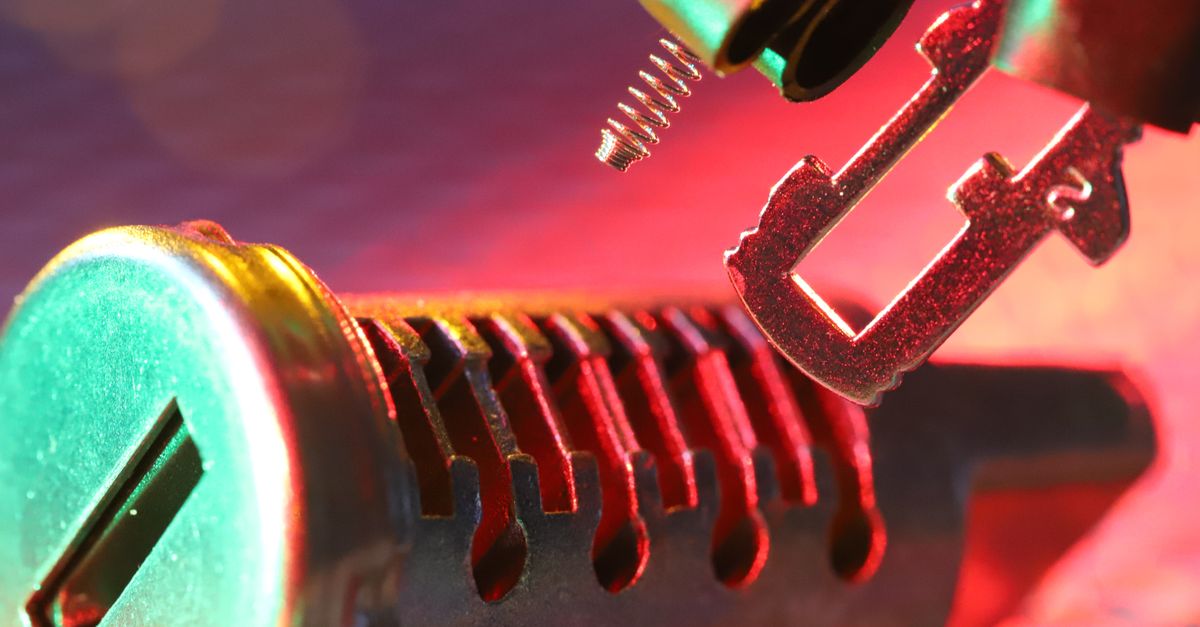
Most homeowners try to nurse a failing knob lock along — tightening the set screw, spraying lubricant, or adjusting the strike plate. These steps can buy a few days, but they don't address the root cause. Knob lock mechanisms rely on a precisely machined latch bolt, a spring-loaded spindle, and a cylinder that must align perfectly with the strike. Once internal components wear or a cylinder is compromised — by age, weather-related swelling, or a bumped or picked attempt — the entire cartridge needs to come out. Attempting to keep a half-working lock in service on an entry door is especially risky: a latch that doesn't fully engage leaves the door vulnerable to a simple shoulder push. Timely door knob lock replacement removes that vulnerability entirely.
Interior knob failures carry their own headaches. A door knob with lock for bedroom use that jams from the inside can trap a child or elderly family member. A privacy knob that no longer clicks into the locked position eliminates the only layer of separation between shared spaces. In both cases, swapping the hardware — rather than adjusting it — is the only reliable long-term resolution. Our technicians assess whether the existing bore holes, backset measurement, and door thickness allow a direct swap, or whether minor preparation is needed, and they walk you through the options before doing any work.